
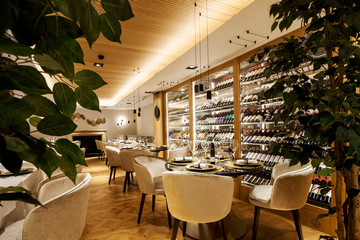
The moment guests walk into a restaurant, the tone for their experience is set. From the lighting to the seating arrangement, every detail shapes how they feel. A friendly greeting and a genuine smile from the staff can instantly make people feel at ease. Music that matches the restaurant’s theme can create a warm atmosphere. Even small touches, like a clean menu and neatly arranged tables, signal care and professionalism. A strong first impression can be the key to building trust, encouraging guests to relax, and paving the way for a memorable dining experience they want to repeat.
Offering Simple Yet Memorable Menus
A great menu does not need to be complicated. Often, the most successful restaurants focus on a few signature dishes that they do exceptionally well. By concentrating on quality over quantity, the kitchen can maintain consistency, which guests notice. Seasonal specials can keep things interesting for regulars without overwhelming new visitors. Including locally sourced ingredients shows commitment to freshness and community support. When dishes have a personal story, like a recipe passed down in the owner’s family, it adds emotional value. The menu becomes more than a list of food; it becomes part of the restaurant’s identity.
Training Staff to Connect with Guests
Good service goes beyond taking orders and delivering plates. Staff should be trained to connect with customers, remember their preferences, and offer suggestions without being pushy. A server who recalls a guest’s favorite drink or asks about their last visit adds a personal touch. Even during busy times, a kind word or quick update on food preparation can make guests feel valued. Staff who take pride in their work and feel supported by management often provide better service, creating a positive cycle that benefits both the restaurant and the customer experience.
Creating Memorable Food Presentation
How food is presented can be just as important as how it tastes. A well-arranged plate can turn an ordinary dish into something special. Colorful vegetables, creative garnishes, and thoughtful plating techniques show attention to detail. Even casual dining spots can make simple meals visually appealing without being extravagant. Presentation also helps tell the story of the dish. A rustic stew served in a traditional clay pot can give guests a sense of cultural connection. By appealing to the eyes as well as the palate, restaurants create a multi-sensory experience guests remember.
Consistency in Offering Special Deals and Promotions
In addition to maintaining a high standard of service, small restaurants can create lasting impressions by offering special deals and promotions to their guests. Regular promotions, such as “happy hour” discounts or loyalty rewards, show guests that the restaurant values their patronage. It’s important to design promotions that align with the restaurant’s identity. For example, a small Italian bistro could offer a “Wine and Pasta” night, while a family diner might have a “Kids Eat Free” offer on specific days. These promotions provide added value and enhance the Guest Experience, encouraging repeat visits.
Leveraging Social Media for Guest Engagement
Today, social media plays a vital role in building lasting relationships between restaurants and their guests. Regularly posting high-quality images of dishes, behind-the-scenes kitchen shots, and special events on platforms like Instagram and Facebook helps create an ongoing connection with the community. Encouraging guests to tag the restaurant in their posts or share their experiences not only boosts visibility but also builds a sense of community. Engaging with guests online by responding to comments, reposting photos, or running social media contests can keep customers involved and make them feel like they are part of the restaurant’s family.
Fostering a Sense of Belonging for Regular Guests
For a small restaurant, regular guests can become the backbone of the business. Creating a welcoming atmosphere where regulars feel like part of the family is crucial to building a loyal customer base. A personalized touch, like remembering a guest’s name or their favorite dish, can go a long way in making them feel valued. Simple gestures, like offering a free dessert for a guest’s birthday or remembering their usual table, help foster that personal connection. This sense of belonging encourages guests to return regularly and spread the word about the welcoming environment to their friends and family.
Conclusion
Small restaurants can thrive by focusing on genuine connections, consistent quality, and creating memorable experiences. Every detail, from the way guests are greeted to the way dishes are presented, shapes their perception. Staff who take time to connect, menus that highlight quality ingredients, and events that foster community bonds all work together to create loyalty. Cleanliness and comfort ensure guests can fully enjoy their time without distractions. By treating each visitor as more than just a customer and offering more than just a meal, small restaurants can build lasting relationships that bring people back again and again.